July 15, 2026 · by Amy
How to Be Photogenic, From a Photographer
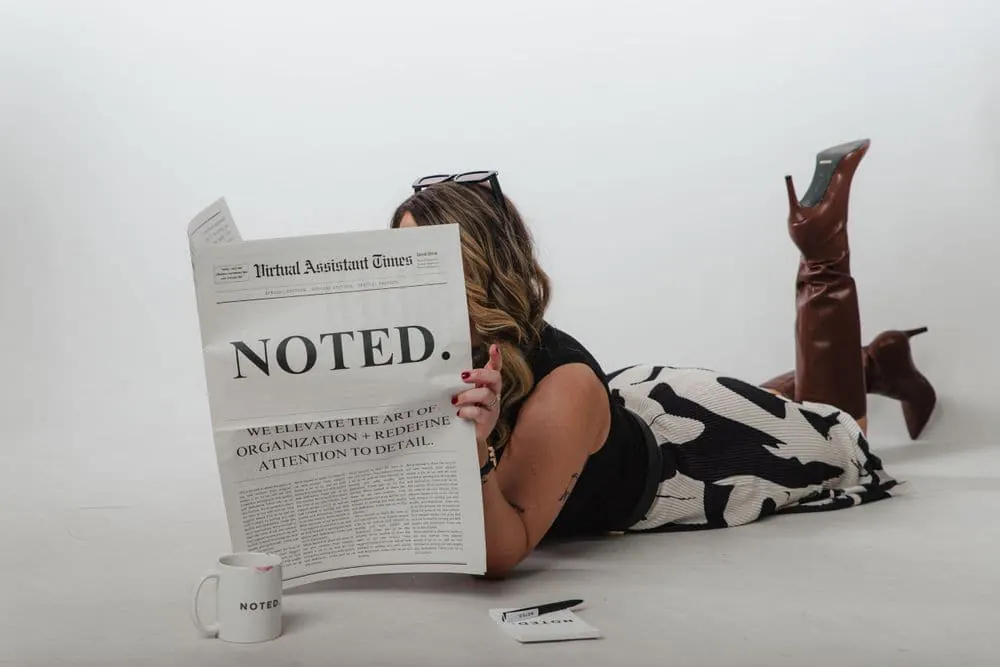
How to be photogenic, in one sentence: relax your face, angle your body, breathe out right before the photo, and practice in front of a camera enough that it stops feeling like a threat. That’s it. Photogenic is a skill, learnable like parallel parking, and the people you think were born with it mostly just got more reps.
I photograph people for a living, and I direct sessions for exactly this reason: almost nobody feels photogenic when the camera comes up. The good news is that the gap between how you look in candid phone pics and how you look in a directed photo is enormous, and every trick that closes it can be written down.
The five-second version
- Exhale before the shutter. Held breath reads as panic; a slow exhale reads as calm
- Angle, never square. Turn your body 30 degrees from the lens and shift weight to your back foot
- Relax your mouth first. Press your tongue to the roof of your mouth to keep a smile from going stiff
- Chin out, then down. It feels ridiculous and photographs beautifully
- Get directed. A photographer who poses you in real time beats every tip on this list
Why you look different in photos than in the mirror
Two mechanical reasons, so you can stop blaming your face. The mirror shows you flipped, so a camera’s unflipped version of you always looks slightly wrong to you and completely normal to everyone else. And most photos of you are taken from bad angles at bad moments by people who aren’t thinking about light. Your face is fine. Your sample is terrible.
There’s a psychological reason too: cameras get treated as tests. The moment one appears, you hold your breath, square up like you’re facing a firing squad, and produce the exact stiffness you were afraid of. Every technique below is really one technique, which is convincing your body the camera is a conversation.
The face: where photogenic lives or dies
Reset your mouth. A held smile dies after about four seconds. Between frames, drop it completely, then rebuild it, ideally from a real prompt. When I shoot, I keep people talking specifically so their faces keep moving; a face in motion photographs alive.
Smile with your bottom eyelids. A real smile squints slightly. If your eyes are wide open above a grin, the grin reads fake. Think of something that amuses you, or better, be mid-laugh. The most flattering photos in almost every gallery I deliver are the frame right after a laugh.
Chin out and down. The instinct is to pull your chin back, which compresses everything under your jaw. Push your face slightly toward the lens like a gentle turtle, then tip the chin down a touch. It feels absurd. It works in every single session.
Unclench. Jaw, brow, shoulders. Right before the shot, exhale slowly through your mouth. That one breath does more than any pose.
The body: angles beat everything
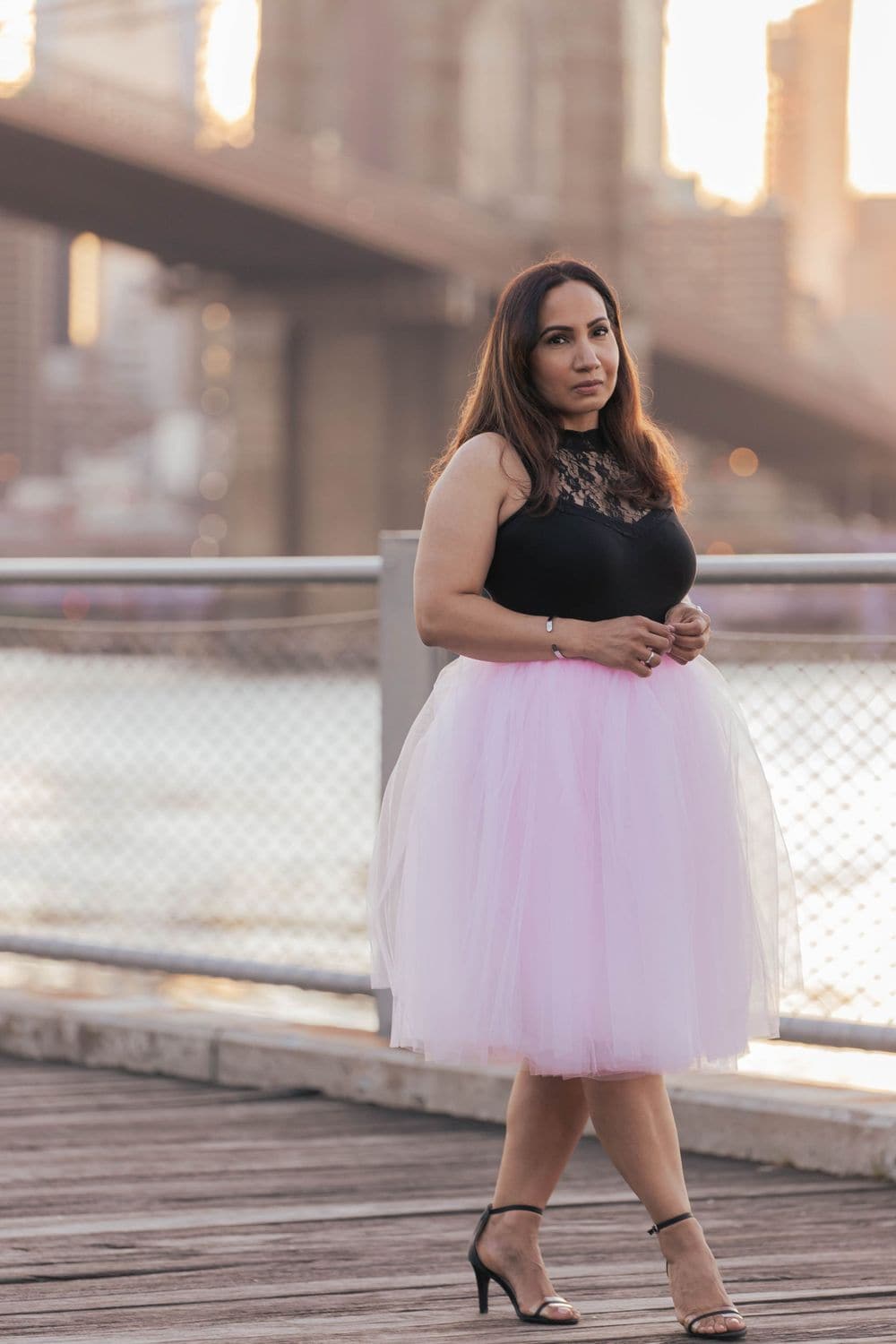
Never face the camera square-on unless you’re going for power-portrait energy on purpose. Rotate your body about 30 degrees, keep your face toward the lens, and put your weight on your back foot. Whatever is closest to the camera looks biggest, so lead with the parts you like.
Give your arms a job. Arms clamped to your sides make everyone look like a penguin in business casual. A hand in a pocket, on a hip, holding a coffee, fixing a sleeve: anything with a purpose reads natural. In my sessions I hand people props for exactly this reason.
Create space at the waist. A hand on the hip or a slight arch pulls your arm off your torso and defines your shape. It’s the oldest trick in posing and it has never once stopped working; it’s also half of my guide to posing for maternity photos, where shape is the whole assignment.
Move. The walking shot, the turn-back, the hair flip you feel silly doing: motion produces the frames people call effortless. Effortless is a genre, and it’s staged.
Light, phones and the ten-minute practice plan
Face a window. That’s most of it: soft, even, front-facing light erases half of what people dislike about their photos, while overhead light at noon digs shadows under your eyes. Golden hour gets its reputation honestly.
For phone photos, hold the camera slightly above eye level, step back and zoom in a touch instead of shooting wide up close, and take bursts while you move rather than one posed frame. Then do the uncomfortable thing: practice. Ten minutes in front of your phone’s front camera, trying angles until you find the two that feel like you. Everyone photogenic you know has done some version of this, whether they’d admit it or not. Delete the practice shots after if you want; the learning stays. What you’re building is a memory of which angle, which smile and which stance are yours, so that when a real camera appears you have somewhere to go besides panic.
What to wear when you want to look photogenic
Clothes decide more of a photo than faces do, because they cover most of the frame. Solid colors photograph calmer than busy patterns. Structure beats slouch: a blazer, a fitted knit, anything with a shoulder in it gives the camera lines to work with. Sleeves matter more than people expect, since bare upper arms pull attention in ways most of us don’t love. And fit is everything; clothes that pull or gap will do it twice as loudly on camera. When in doubt, bring options. In my sessions we pick against the light and the backdrop together, and the second-choice outfit wins about half the time.
Being photogenic on video
Everything above holds on video, with one addition: energy reads about 20 percent flatter on camera than it feels in person. Speak a notch brighter than feels natural, keep your hands in the frame and moving, and reset between takes the same way you’d reset a smile. If your business needs you on camera for reels and talking-head clips, that’s a directed skill too, and it’s half of what my content days teach on the fly.
What a directed session changes
Awkward just means undirected. Direction is the product.
Everything above is what you can do alone. What you can’t do alone is see yourself in real time, and that’s the actual job of a portrait photographer. In my sessions, nobody has to arrive knowing how to pose; direction is the product. Where your hands go, when to reset your smile, which angle is working: I call it frame by frame, and clients describe the experience the way Roxana did after her session: sweet, patient, easy. Their words, kept on file.
It’s also why the “I’m so awkward in photos” message is my single most common inquiry opener, and my favorite. Awkward just means undirected. The clients holding the most confident images on my Baltimore photography prices roster, the business owners on my Baltimore headshot photographer page, the couples mid-proposal, none of them are models. They’re people who got directed, warmed up in ten minutes, and let the session happen.
Hate photos of yourself? Say exactly that in the form. It's Amy's favorite opener.
Book the directed versionThree quick answers
Can anyone become photogenic? Yes, and I mean that literally. Photogenic is a combination of relaxation, angles and light, all three of which are teachable. I’ve never met an exception.
Why do I hate every photo of myself? Mostly the mirror-flip effect plus a bad sample of candids. Judge yourself only on photos taken in good light with real direction; most people revise their opinion within one session.
What should I do the day of a photo session? Sleep, hydrate, wear the outfit you feel strongest in, and arrive with zero pressure to perform. If you book with me, the posing is my job, and the first ten minutes are designed to burn off the nerves before the keepers happen.
The real secret
Photogenic people aren’t relaxed because they look good; they look good because they’re relaxed. Every technique in this post is a route to the same place, which is a nervous system that treats the camera as a friendly conversation. You can get there alone with practice, or faster with direction.
If you’re near Baltimore or Harford County and want the directed version, that’s my whole job, and it works the same whether you’re booking headshots, a family session or your first time on camera for your business. Book through my booking form, tell me you hate photos of yourself, and watch that stop being true in about an hour.
Got a project behind this question?
Talk it through with Amy